
Sunset and snow glare film
Glare Reduction Window Film in Denver
Two kinds of glare make Denver rooms hard to use: the late sun sliding down toward the mountains, and the winter brightness bouncing off snow. Glare film knocks both down to a level your eyes and your screens can handle.
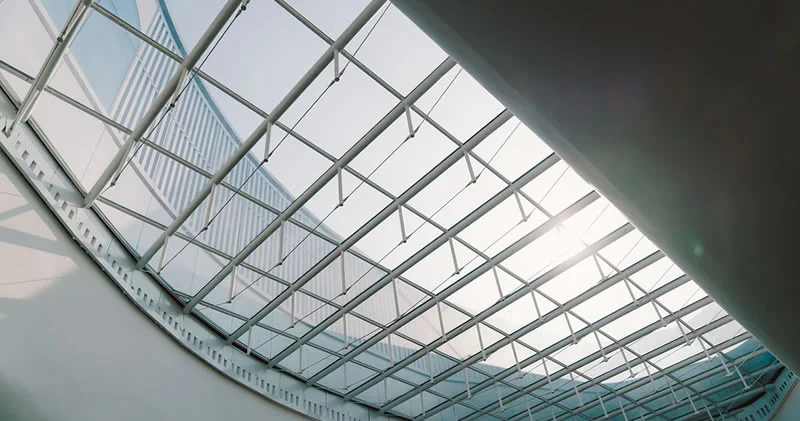 Denver
Glare From the Sun Setting Over the Front Range
The mountains are west of Denver, and so is the sunset. For anyone with a view of the foothills, the last few hours of daylight bring the sun right into the room at eye level. It glints off kitchen counters, washes out the TV, and makes it impossible to see a laptop screen near the window. In summer that window lasts from late afternoon until well after dinner.
Closing the blinds solves the glare but loses the view, which is why many people bought the house. Glare reduction film is the compromise. Each grade passes a fixed fraction of daylight, and the right fraction turns a squint-inducing sky into something you can sit facing, with the peaks and skyline still in the picture.
Snow Glare and Low Winter Sun in Denver Homes
Denver gets snow, but it usually melts fast because the sun comes right back out. In between, a fresh blanket of white on lawns, roofs and streets reflects a remarkable amount of light. Rooms facing a snowy yard or a flat white roof next door can be painfully bright on a clear morning after a storm.
The low winter sun adds to it. Around the winter solstice the midday sun barely clears the neighbor's roofline, which sends direct light through south glass at eye height for hours. Home offices in spare bedrooms are the most common complaint, since remote work put a lot of desks next to windows that were never meant for screens.
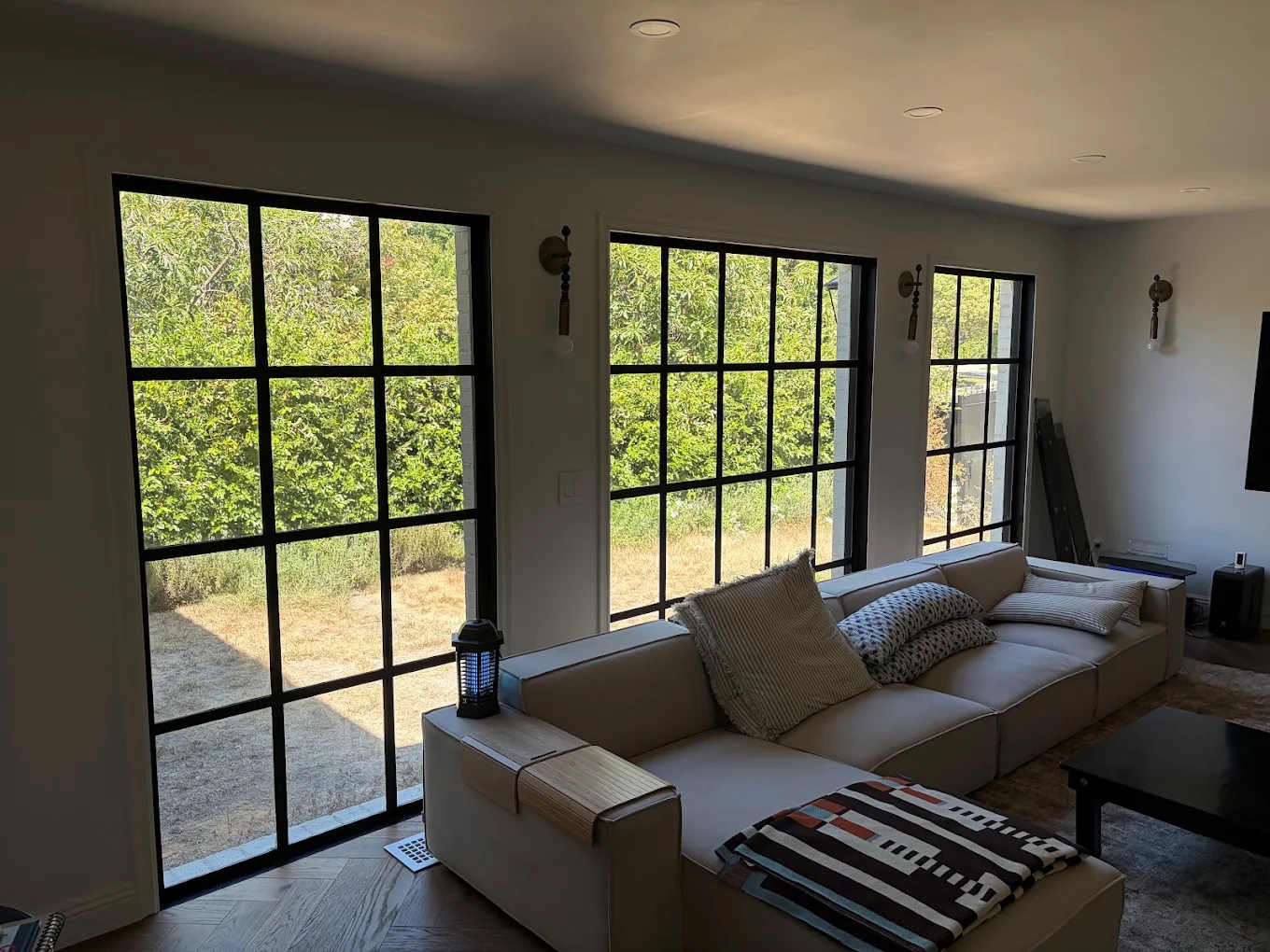
Glare Film for Downtown and Union Station Condos
High-rise living around Union Station, LoDo and the Golden Triangle comes with floor-to-ceiling glass and nothing between you and the sky. West-facing units get the full sunset, and east-facing units catch the sunrise and the reflections off nearby glass towers. Glare film is often the most requested product in these buildings.
Condo associations usually control how the exterior looks, so we work with films that keep a neutral appearance from the street. We provide product data and samples for the board, confirm the glass type with building management and follow the building's rules for elevator use and work hours.
How Dark Should Glare Reduction Film Be?
Glare film comes in a range of visible light levels. Lighter films take the edge off and suit rooms where glare is occasional. Medium films handle most west-facing living rooms and home offices. Darker films are for media rooms and spaces where a screen must stay readable with direct sun on the glass.
The best way to choose is on your own window at the problem hour. We bring sample panels and tape them up so you can sit where you normally sit and judge. Most people pick lighter than they expected once they see how much a modest film helps. If two rooms share a wall of glass, we usually suggest one shade for both, so the house reads evenly from the street and the light inside does not shift as you walk between them.
- Light: occasional glare, keeps a bright room
- Medium: west living rooms and home offices
- Dark: media rooms and direct-sun screens
- Neutral tones keep true colors outside
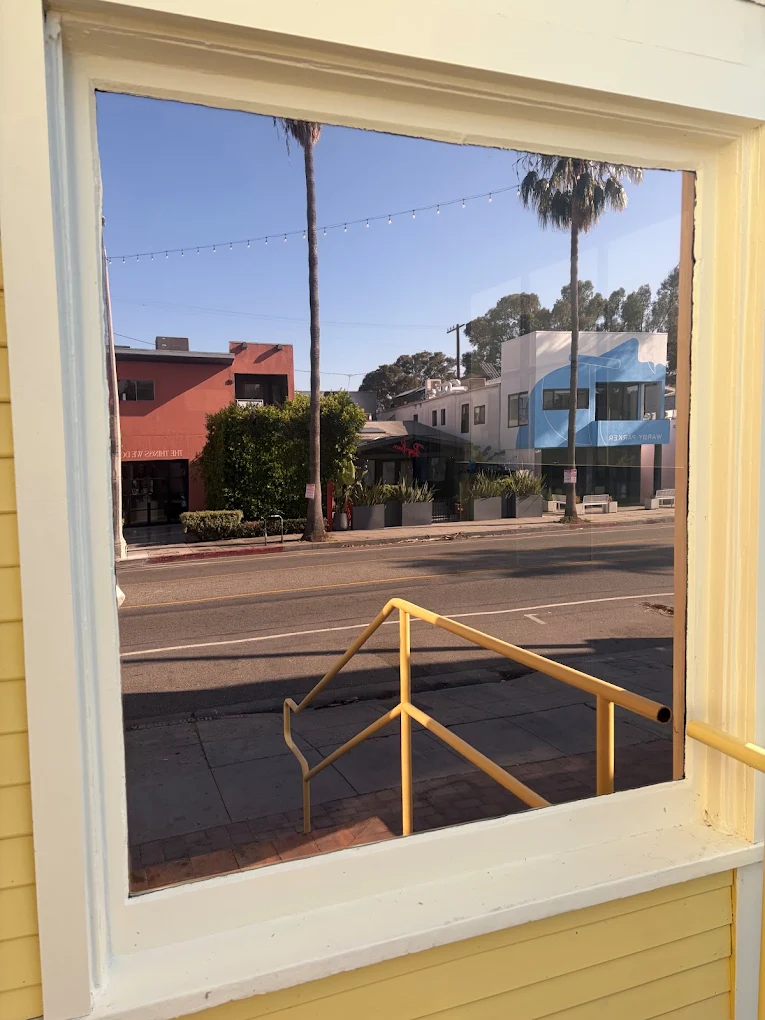
Glare Reduction Window Film Benefits for Denver
Readable Screens in Sunny Denver Rooms
Lower visible light at the glass means TVs, monitors and tablets stay readable even with the sun low in the west. Home offices become workable through the afternoon without closing every blind.
Glare Film Keeps the Mountain View
Neutral glare film dims the bright sky without blocking the view, so the foothills and peaks remain part of the room. You get comfort and the scenery you paid for.
Glare Control Through Snowy Winters
Film cuts the reflected brightness from snow and the direct light from the low winter sun. Rooms that were too bright to use on clear winter mornings become comfortable again.
Heat and UV Control From Glare Film
A glare product doubles as a modest heat film and a strong UV blocker. West rooms run a little cooler on July evenings, and the rug by the window holds its color longer, without any extra product on the glass.
Glare Reduction Film Questions for Denver Homes
Does glare film feel dim during a gray March snow day?
Lighter films barely change the feel of a room on overcast days. Darker films are noticeable when it is gray, which is why we usually suggest the lightest film that solves the sunny-day problem.
Does glare film change how colors look outside?
Neutral films keep colors close to true. Some bronze or reflective films add a slight tint. We show samples so you can compare.
Can I put glare film on only one window?
Yes. Many clients treat only the west windows. We choose films that look consistent from outside so the house does not appear patchy.
Will my condo association approve glare film?
Neutral films with low exterior reflectance usually pass. Boards in downtown towers want a data sheet and a physical sample, and we bring both to the management office before any work is booked.
Glare Reduction Window Film Service Areas in Denver
Window film quote
Get a Glare Reduction Window Film Quote in Denver
Note which windows glare at you and at what time of day, then add sizes and describe the view from where you sit. The quote form carries it all, and our reply suggests a film shade and a price.