
Hot west rooms, Denver
Heat Control Window Film in Denver
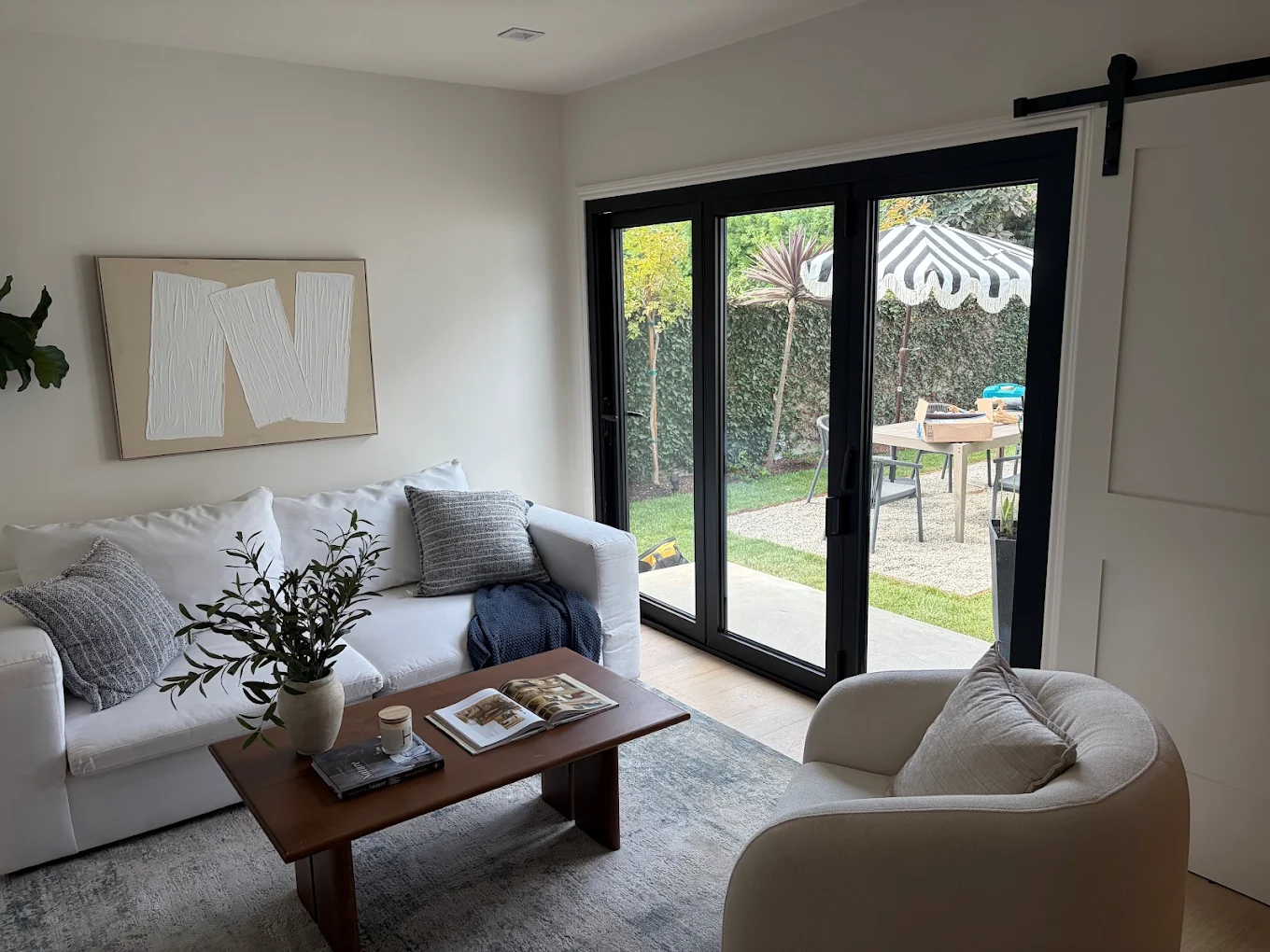
Denver summers are dry, and the air cools off fast after dark, but a sunny west window can still turn a room into an oven from mid-afternoon until the sun disappears behind the foothills. Heat control film goes after that specific problem.
 Denver
Where Window Heat Comes From in Denver Homes
Thin, dry air at a mile high lets a lot of direct sun reach the ground. On a clear July afternoon, the sunlight hitting a west window carries enough energy to warm the floor, the furniture and the air in that room well past the rest of the house. Because Denver humidity is low, the heat feels different than in the South, but it still pushes indoor temperatures up and keeps upstairs bedrooms warm long after sunset.
Sun angle is the other piece. In midsummer the sun climbs high at noon, and roof eaves shade most south windows. It is the low-angle sun in the late afternoon that does the damage, hitting west glass nearly straight on. East windows get the same treatment early in the day, which is why breakfast nooks and east bedrooms can feel warm by 8 a.m.
Heat Control Film for Denver Homes Without Central Air
Plenty of older Denver houses never got central air conditioning. Bungalows in Platt Park and Sunnyside, Denver Squares in Congress Park, and brick ranches in Harvey Park often rely on an evaporative cooler, window units or simply open windows at night. Those systems work well in a dry climate until a hot west room gets ahead of them.
Film reduces the solar heat entering through the glass, so a swamp cooler or a window unit has less to fight. It does not replace cooling, and it will not make an uninsulated attic room comfortable on its own. But on the handful of windows that drive the problem, it can be the difference between a bedroom that is usable at bedtime and one that is not.
Homes with central air benefit too. The system cycles less in the late afternoon, and the thermostat stops reading cool while the west side of the house runs hot.
Choosing Heat Control Window Film for Mountain View Windows
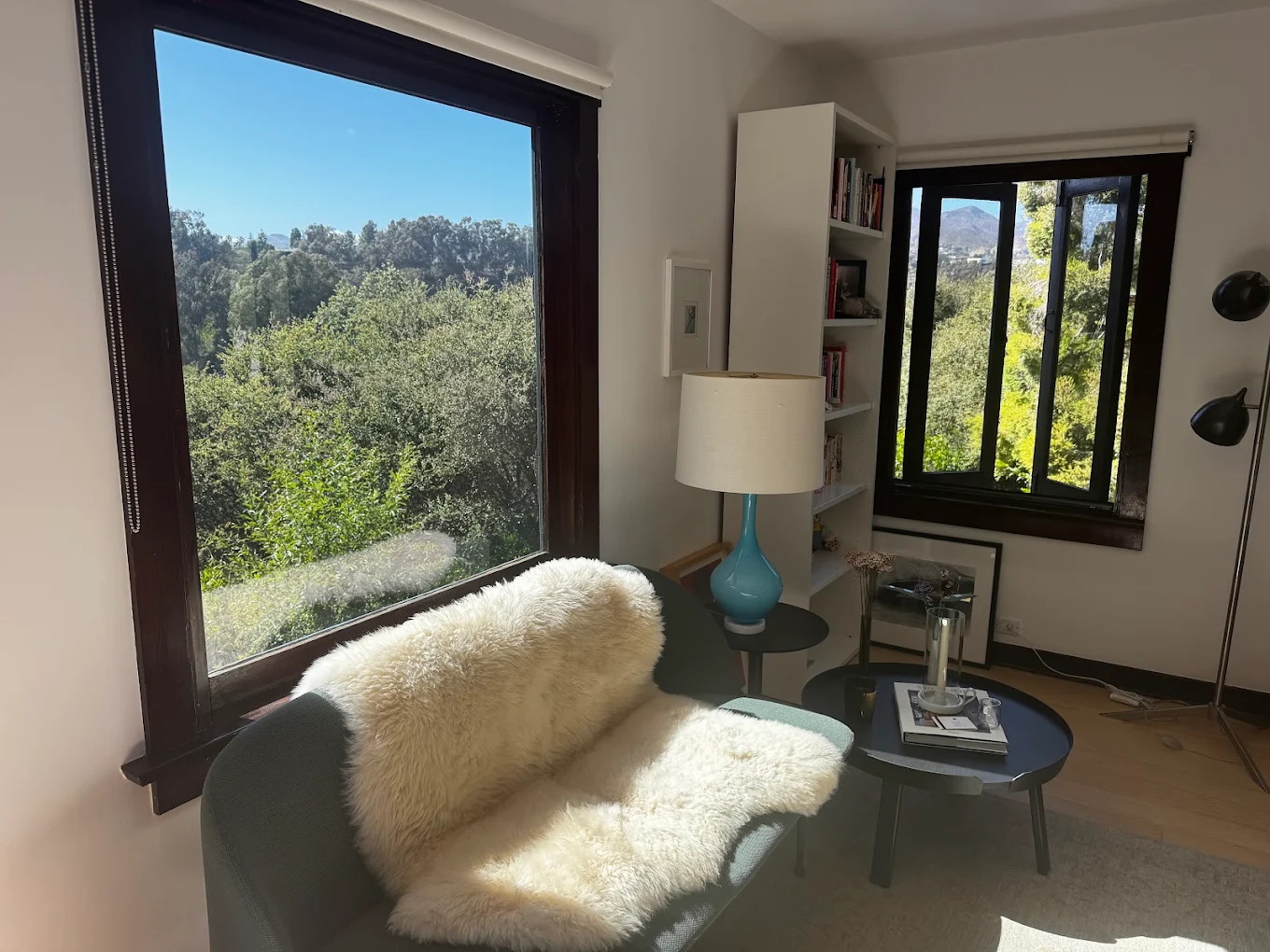
Many Denver living rooms are built around a west view of the Front Range, and nobody wants to dim it. Spectrally selective films are made for this. They are tuned to turn away infrared and ultraviolet while letting daylight pass, which keeps the peaks crisp and the living room lit.
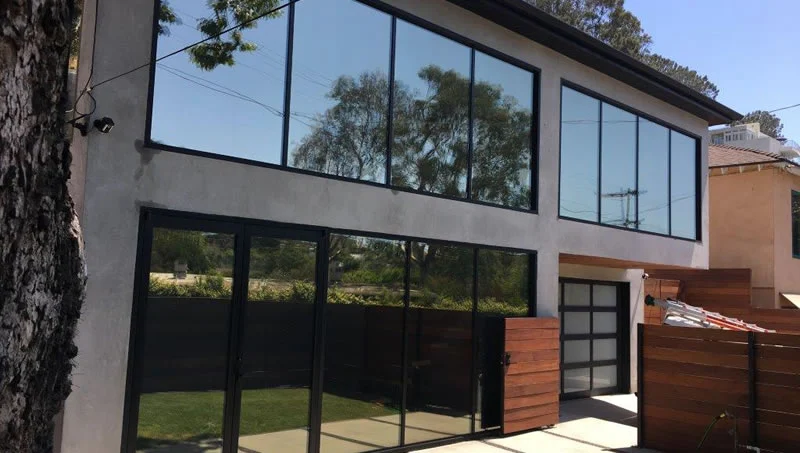
Metallized reflective films push back more total heat, yet from the sidewalk they read as mirror and from the couch they gray the scenery. They suit rooms where heat matters more than the view, or where daytime privacy is a bonus. Ceramic and dual-reflective films sit in between. We tape samples to your actual glass and let you look at them in the late-day sun before choosing.
Thermal Stress and Denver's Big Daily Temperature Swings
Glass expands as it heats. When film absorbs sunlight, the center of the pane warms faster than the edges hidden in the frame, and that difference creates stress. In Denver, where a below-freezing morning can be followed by intense afternoon sun, the risk is real on certain glass types.
That is why film choice depends on the window. Large dual-pane units, tinted glass and panes with shading from a deep overhang or a tree need a film with lower absorption. We identify the glazing, look for damaged edges and use the film maker's compatibility guidance before recommending anything for your house.
Heat Control Window Film Results in Denver Houses
Sunset-Side Rooms in Denver Stay Usable
Film cuts the solar energy coming through west glass during the late afternoon, which is when most Denver living rooms and upstairs bedrooms run hottest. That room stops running several degrees ahead of the hallway, so the thermostat reading starts to mean something.
Heat Film That Helps Swamp Coolers and AC
Whether your house has central air, an evaporative cooler or window units, reducing solar heat at the glass lowers the load. Equipment runs less during the hottest part of the day, and nights cool down faster once the sun is gone.
Clear Mountain Views With Heat Film
Spectrally selective film keeps most visible light passing through, so the view to the foothills stays sharp. You get heat relief without the dark or mirrored look that older tints were known for. Samples on your glass show the difference.
UV Fade Protection Included
Any solar film on our truck screens out close to all UV as a side effect. At Denver's altitude, that matters for hardwood floors, rugs and furniture that sit in direct sun near west and south windows. Fading slows down noticeably.
Heat Control Window Film FAQs for Denver
Will heat control film make my Denver living room darker?
Not with a spectrally selective film, which stays close to clear. Reflective and darker films reduce light more. We show both on your windows so you can decide.
Does heat film work with a swamp cooler?
Yes. Evaporative coolers work best when the house is not absorbing heavy sun. Film reduces solar heat through the glass, which lets the cooler keep up on hot afternoons.
Will heat control film make my house colder in winter?
Solar films do reduce some winter solar warming through the glass. In Denver that tradeoff is usually small on west windows. If winter sun is valuable on a south wall, we can use a lighter film there or a low-e film that also helps hold heat in.
Can heat film crack my dual-pane windows?
It can if the wrong film is used. We match films to the glass type and check compatibility guidance, which matters in Denver where cold mornings and hot sun stress glass.
Which Denver windows should get heat film first?
Begin on the sunset side, then east bedrooms and any skylights. South glass under deep eaves often needs less in summer. We can map that out from photos and window orientation.
Window film quote
Price Heat Control Window Film for Your Denver House
Name the rooms that bake after lunch, note the compass direction of each window and put it all on the quote form. An installer then calls or emails you with film suggestions and a price.