
Mile-high UV film
UV Protection Window Film in Denver
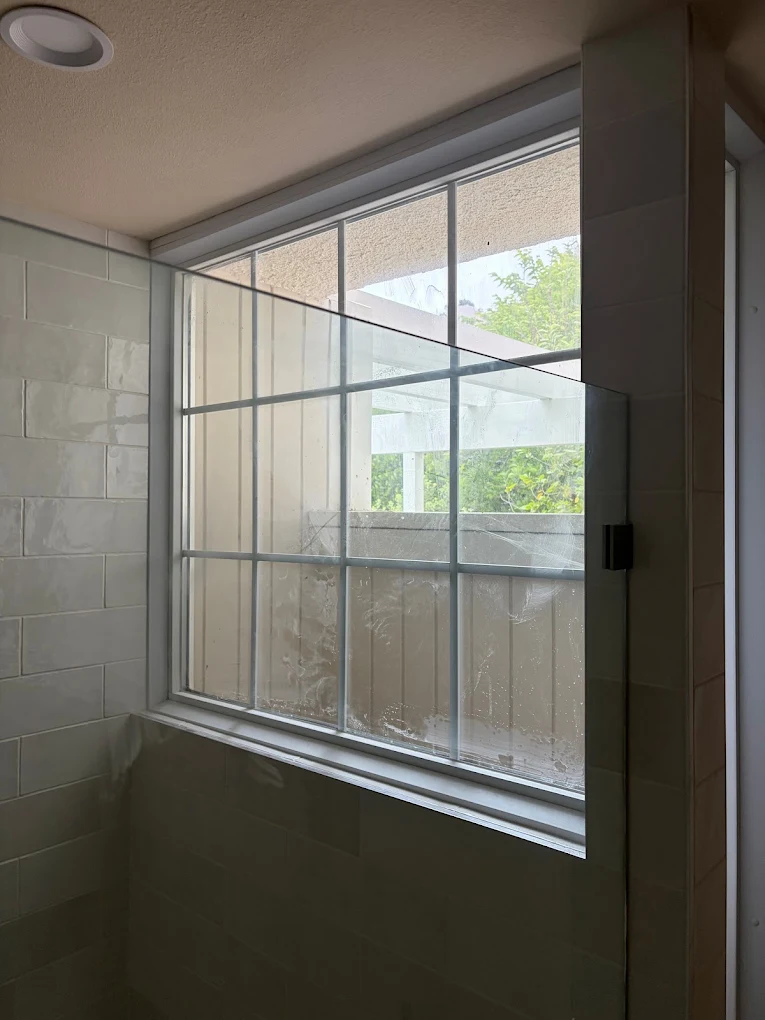
Up here, the sun's ultraviolet is stronger than at sea level, and Denver owners see it in pale stripes on oak floors and sofas that fade on one cushion only. Clear UV film stops that without changing how your windows look.
 Denver
Why UV Protection Film Matters More at Denver's Elevation
Ultraviolet intensity climbs with elevation because there is less air above you to absorb it. Denver sits a mile up, and the semi-arid climate means fewer humid, hazy days to soften the sun. The result is plain to anyone who has moved a rug after a few years here: the wood underneath is a different color than the wood around it.
Ordinary window glass stops some ultraviolet but lets a meaningful share of it through, especially older single-pane glass. Even many low-e windows pass more than people assume. A UV film adds a layer that blocks nearly all of it, and because it is close to clear, nobody outside can tell it is there.
What Fades Fastest in Denver Homes
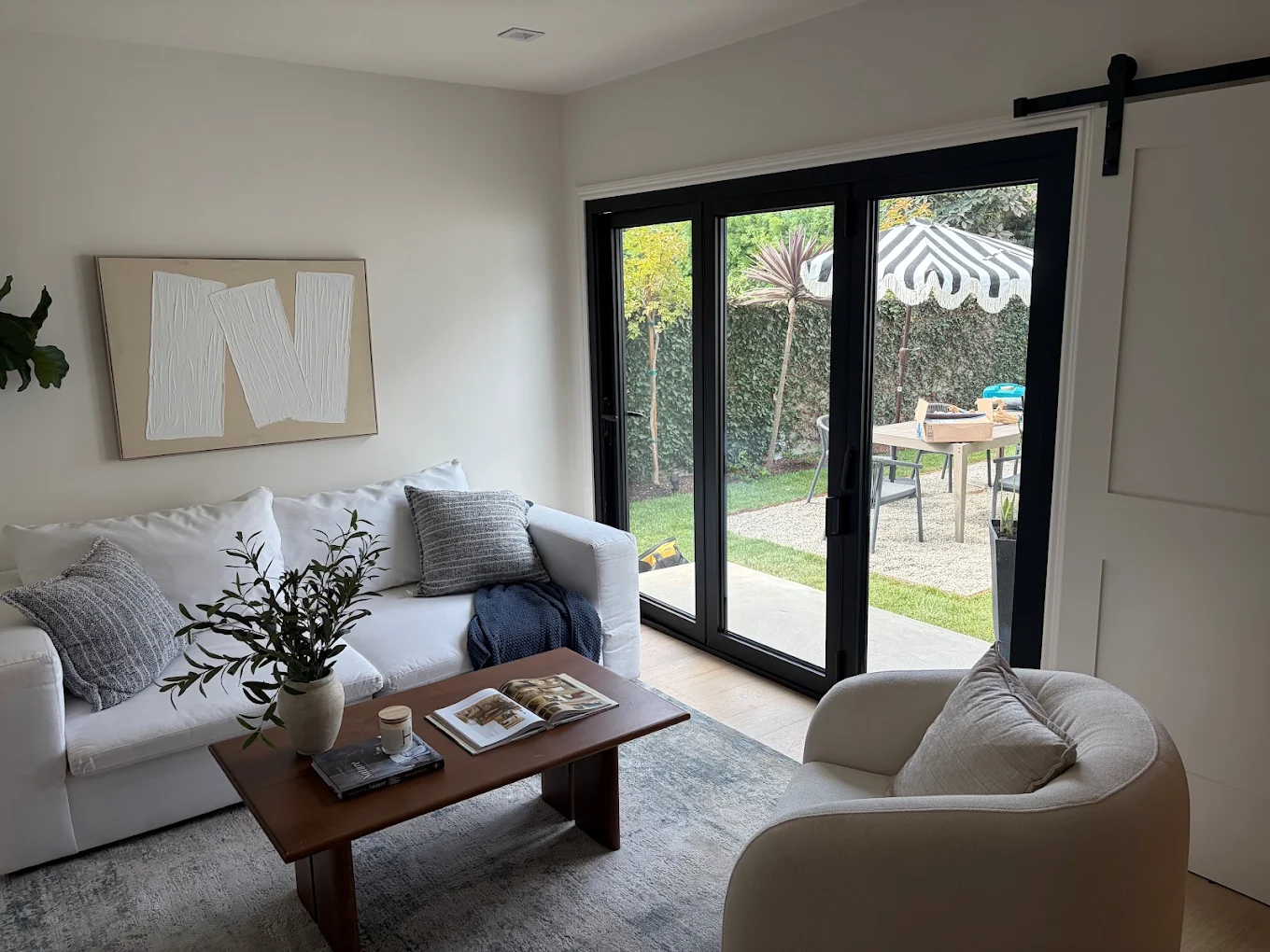
Hardwood is the most common complaint. Red oak in bungalows around Washington Park and Platt Park yellows and lightens, and darker stains in newer homes bleach toward gray. Wool and silk rugs lose color on the sunny side first. Leather and fabric furniture fade unevenly, so a couch that sits under a south window ends up two-toned.
Art and photographs are the next concern. Watercolors, prints and family photos on a wall that gets direct or reflected sun can fade within a few seasons. Collectors in Cherry Creek and the Country Club area often ask for UV film in every room that holds art, not just the sunny ones, because bright reflected light off snow and patios also carries ultraviolet.
Film slows fading but cannot halt it. Bright daylight and solar warmth contribute their own share, so a heat-rejecting product is the better pick wherever direct sun lands.
Winter UV, Snow Glare and Skylights
Ultraviolet does not take the winter off. The sun is lower from November through February, which lets it reach farther into rooms through south windows, and fresh snow reflects a large share of UV back up toward the house. That combination means a living room can take more ultraviolet on a bright January afternoon than people expect.
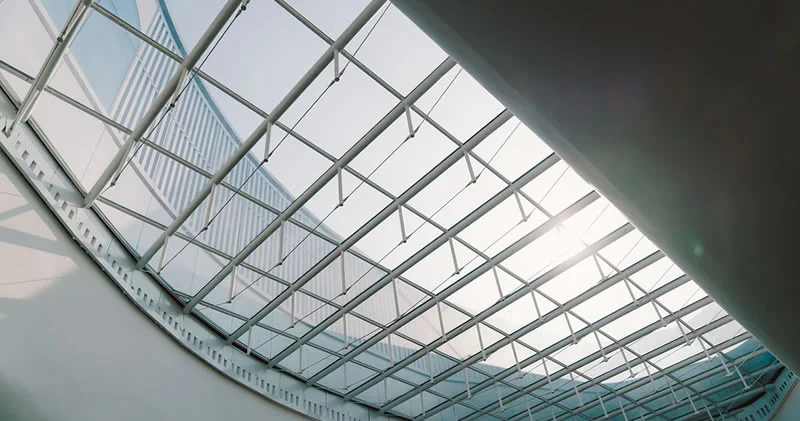
Skylights and clerestory windows are a special case. They see the sky directly for most of the day and often light up a kitchen counter or a hallway full of framed photos. Film on skylights needs careful handling because of their angle and the glass types used, but it is one of the most effective places to add UV protection.
Clear UV Film for Historic and Modern Denver Windows
Many owners in the Potter Highlands, Curtis Park and Capitol Hill historic districts want protection without any visible change to the street face of the house. Clear UV film suits that goal well. It goes on the interior side of the glass, leaves the sash and frame alone and comes off later if needed.
In modern rebuilds and new homes in Central Park, the tall glass walls that make those houses bright also expose a lot of floor and furniture. A clear film keeps that open look while protecting the finishes inside. We check whether the windows are dual-pane and low-e before recommending a specific product.
UV Protection Window Film Benefits for Denver Homes
Slower Floor Fading in Denver Homes
Blocking nearly all ultraviolet at the glass slows the yellowing and bleaching of oak, maple and stained floors. Rugs and furniture can stay where you want them instead of being rotated every season to hide the sun line.
Clear UV Film Keeps the Glass Unchanged
Clear UV films are hard to spot, even up close. Historic homes keep their period look, HOA neighborhoods avoid review problems, and the view through the window looks the same as before installation.
Year-Round UV Protection at Altitude
Denver's strong sun and winter snow reflection send ultraviolet indoors in every season. Film works every day of the year, including the bright cold days when you would never think about fading at all.
UV Film for Art and Collections
Prints, photographs, textiles and paintings hung near sunny windows last longer behind UV film. For serious collections, we pair UV film with light reduction where direct sun reaches the wall.
UV Protection Window Film FAQs for Denver
Do my low-e windows already block UV?
They block some, often more than older glass, but many still pass a meaningful amount. UV film adds near-complete blocking on top of what the window already does.
Will UV film stop all fading?
No film can promise that. Ultraviolet is the largest factor, and removing it buys a lot of time, but strong daylight still bleaches dyes slowly. On walls that get direct afternoon sun, a heat-rejecting film adds another layer of protection.
Can you see clear UV film on the window?
Usually not. Up close you may notice a faint edge where the film meets the frame. From across the room or outside, the glass looks the same.
Will the landmark office object to UV film on my historic Denver house?
Clear film on the inside face does not change the window itself and is usually a minor question. If your house is in a designated district, confirm with Denver's landmark preservation staff before installing.
Can UV film go on skylights?
Often, yes. Skylight glass needs to be identified first, and some units are acrylic or have special coatings. We check what you have before quoting.
UV Protection Window Film Service Areas in Denver
Window film quote
Price UV Protection Window Film for Your Denver Home
Point us at the rooms where floors or furniture are fading, add rough window sizes, and use the quote form. An installer follows up with a clear-film recommendation and a price.